Boiceville Rises Again

ImageThe entreaty that we read in more than one of the Psalms, “God, save me, pull me free from the raging waters,” could all too easily be applied to several towns and villages along Ulster County’s Route 28. Boiceville is one of those towns. In the early twentieth century, the original site of Boiceville was one of several in the Esopus Valley that were moved or destroyed in order to make room for the Ashokan Reservoir. The valley would be flooded to create a water supply for the burgeoning population of New York City, 120 miles to the south. A meticulously researched film by area resident and professional filmmaker Tobe Carey documents this event in heartbreaking detail.

ImageIn a sense, Boiceville was one of the fortunate towns. It was relocated, while several of the others were demolished without a trace. Today when you drive along Route 28, you can see signs indicating the former sites of the Esopus Valley towns that either disappeared or were displaced.

The flooding of the Esopus Valley for the AshokanImage Reservoir was not the last water threat to ravage this Ulster County area. In August 2011 Hurricane Irene devastated towns from Phoenicia to as far west as Margaretville and Prattsville. The recovery still goes on.

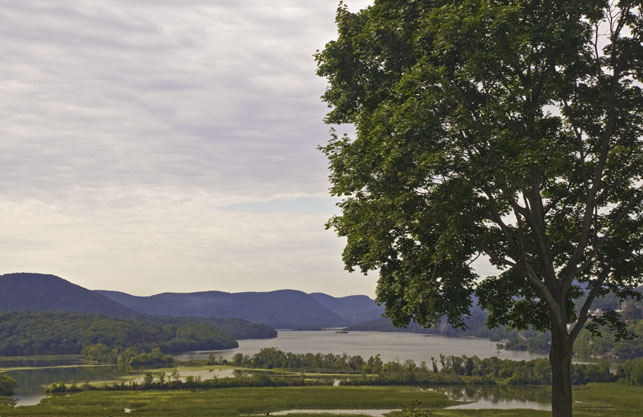
Last week I drove out to Boiceville, chiefly in search of the viewpoint from which the nineteenth-century landscape artist Asher B. Durand painted his masterpiece High Point: Shandaken Mountains. We had located it at approximately the point at which Routes 28 and 28A meet, which happens to be where Boiceville begins.

I’m not certain whether I found the exact spot for Durand’s painting, but I did find a Boiceville recently risen from the effects of Irene. Why, I wondered, did the local florist display a sign that so insistently proclaimed that he was open?  Then when I pulled up to the parking lot for the Boiceville IGA Market and other businesses and saw the huge signs thanking the community and the volunteers, the light bulb went off in my head. Wanting to support the local economy, I went into the market, bought some delicious rolls and deli meats, and began chatting with the locals. Sure enough, the supermarket had been closed for eight weeks until the Irene waters that had flooded the store’s basement and main floor could be cleared. And the florist–he had only just reopened after the hurricane had taken its toll. The Rotary Club helped to coordinate massive relief and fundraising efforts, to the extent that $12,000 still remains to be distributed, in 2012, to people who still need it.

ImageThe need still persists.  And so does the existence of these amazing communities who rally, coordinate, and cooperate in order, with God’s help, to pull themselves from the raging waters.

My collection of Favorite Photos of 2011 is now up on my website in its own gallery, Several of the photos, of course, are from the Hudson Valley. I invite you to visit my website to check them out. If you wish to purchase any prints, I’m offering a 10% discount on all purchase with a minimum order of $10.00.  Just use Coupon Code NYSP12; valid until January 31, 2012.

Hudson Valley Heroes

Jim Witt and Mike Bennett make a good team at Fran's Hallmark store in Monroe

I recently caught up with meteorologist Jim Witt and WHUD‘s Mike Bennett, coanchor of the morning show with Kacey, at Fran’s Hallmark store in Monroe. At this time of year Jim has been busy making the rounds signing his Hudson Valley weather calendars, and on this occasion Mike joined him at the store and joined in the calendar signing–an extra bonus for those who happened to stop by!

Each year Jim, a long-range forecast specialist, teams up with Hudson Valley photographer Joe Deutsch to produce these lovely calendars in aid of the Hope for Youth Foundation, which raises money to give to local groups that care for the special needs of children. This past year alone, the Hope for Youth Foundation raised $100,000 to help children in need. Radio station WHUD has long been a leader in community awareness and community assistance, and this cooperation between WHUD and Hope for Youth is a prime example.

Although Jim Witt is finished with his personal appearances for this year, it’s still not to late to order your 2012 Hudson Valley calendar. Send your check for $10.00 per calendar (which includes postage) to:

Hope for Youth Foundation, P.O. Box 8, Buchanan NY 10511

You’ll not only have a year’s worth of top-notch photos of our Hudson Valley to grace your wall; you’ll also know that your donation has aided the cause of giving hope to children who might otherwise have been without.

Thomas Cole Site Celebrates Tenth Anniversary

Cedar Grove 1

It’s always a wonderful success story when a cultural landmark gets rescued from oblivion by a group of interested and dedicated people. When the landmark is the former home and studio of one of America’s foremost nineteenth-century landscape painters and has not only been snatched from the demolition crew’s clutches but also been declared a National Historic Site, that’s more than wonderful–it’s a major cause for rejoicing.  And on Sunday September 25 Hudson Valley art lovers were indeed rejoicing as they gathered at Cedar Grove, the Thomas Cole National Historic Site in Catskill, NY, to celebrate the tenth anniversary of its opening.

Cedar Grove lawnLandscape artist Thomas Cole (1801-1848), founder of what came to be known as the Hudson River School of art, rented space at Cedar Grove beginning in the early 1830s, and in 1836, with his marriage to Maria Bartow, niece of the owner, it became and remained his permanent home until his all-too-early death in 1848. Visit Cedar Grove and you will readily understand what an inexhaustible fount of inspiration it was for him.  Not for nothing is this site spoken of as “Where American Art Was Born.”

I remember well the progress of the site from virtual ruin to cultural and historic success story. One day a number of years ago, aware that Cedar Grove lay somewhere on the road between the Thruway and the Rip Van Winkle Bridge, my son and I drove up and down and finally asked at a gas station on the corner of Routes 385 and 23–in other words, right across the road (locally named Spring Street) from the site. The attendant had no idea what we were talking about. Parking our car in a nearby side street, we looked around and eventually realized that we were standing right in front of it–only it was covered in scaffolding, and construction machinery lay strewn on the grounds.Cedar Grove lawn 2

What a difference today, when the Thomas Cole National Historic Site is well signposted, it can boast of having had more than 60,000 visitors since Opening Day, and a steady stream of cars brought people to celebrate its tenth anniversary! Entrance to the Main House was free, people enjoyed strolling the grounds, many came to the Visitors Center to take in the film that was being shown, to enjoy the homemade cookes and apple cider, and to purchase books and cards or simply to pick up literature from which to learn more.

Thankfully the weather cooperated, and so outside the Main House as well some dedicated volunteers were talking with visitors and explaining more about Thomas Cole and the site, one lady was teaching a young girl how to paint, and the Milayne Jackson Trio provided musical entertainment from the deck of the Main House.  It was a great day for celebration, not only that the Thomas Cole National Historic Site has become one of the Hudson Valley’s major cultural successes, but also that so many people who were unfamiliar with Cole and his art, attracted by the signs and balloons and other publicity, were visiting and getting acquainted with the founder of the Hudson River School and his legacy. Kudos to Elizabeth Jacks, Director of the Thomas Cole National Historic Site, to Marie Spano who has edited a lovely booklet of excerpts from Cole’s writings, and to the corps of dedicated and enthusiastic volunteers (including the interns) who bring this place to life.

Flood-drenched Hudson Valley needs help

TrailThese aren’t pretty pictures. They’re not meant to be. I took them yesterday during a trip to photograph the Saugerties Lighthouse, after which I drove to Highland and walked the Walkway Over the Hudson.

As I was driving from central Saugerties toward the trailhead for the lighthouse, I became dimly aware of what seemed to be brown water below and parallel to the road. Later, as I drove over a bridge that had a sign identifying this water, I learned, to my shock, that this brown water was the Esopus Creek. The Esopus Creek! — usually a picturesque stream, sporting ground for many who enjoy the sport of tubing, now a muddy brown assailant that has been the subject of many an official New York State Flooding Alert in recent days, inundated the pretty, historic village of Phoenicia, and wreaked damage elsewhere in Ulster County, one of three New York counties hardest-hit by Irene.

Stopping on the Thruway north at Plattekill, I made my usual purchase from the Grey Mouse Farm stand there and asked them how they fared after the storm. Not great, they said, but they do the best they can. Grey Mouse Farm is located off Route 32 near Saugerties. More heroic people carrying on after this disaster.At Lighthouse

While photographing Saugerties Lighthouse I met and spoke with the lighthouse keeper.  They now have their power back but the half-mile trail leading to the lighthouse is a disaster area, as you can see from this photo.  The wooden plank boardwalks are buckled and covered with trash that floated in from the flooded river. He asked me to get the word out: If anyone lives nearby and is willing to bring some trash bags and help clear the debris, your help is urgently needed and he would be most grateful. And please–wear waterproof boots.

MargaretvilleOne of the fellow hikers I spoke with had been out the previous day to help at Margaretville, that beautiful Western Catskill town where I recently made some vintage images of the Main Street stores. When I asked him how it was there he just shook his head: All gone, it’s completely gone, there is nothing.  They’re waiting for FEMA to come in and assess the damage. My memory is haunted by the friendly Irish face of the nice man who had recently moved into the area with his wife and children to start up the Bed and Bath Shoppe, where we bought some lovely towels and things. Down the road, a shop where a woman sold me a hand-knitted pair of special gloves to wear when I photograph in the winter: the tops unbutton to free my fingers to work the camera controls. The only supermarket in town, where on a rainy Sunday we bought a few things for a pre-dinner beer party in one of our rooms at the nearby Hanah Mountain Resort–“Half of the supermarket is completely washed away,” my fellow hiker told me.

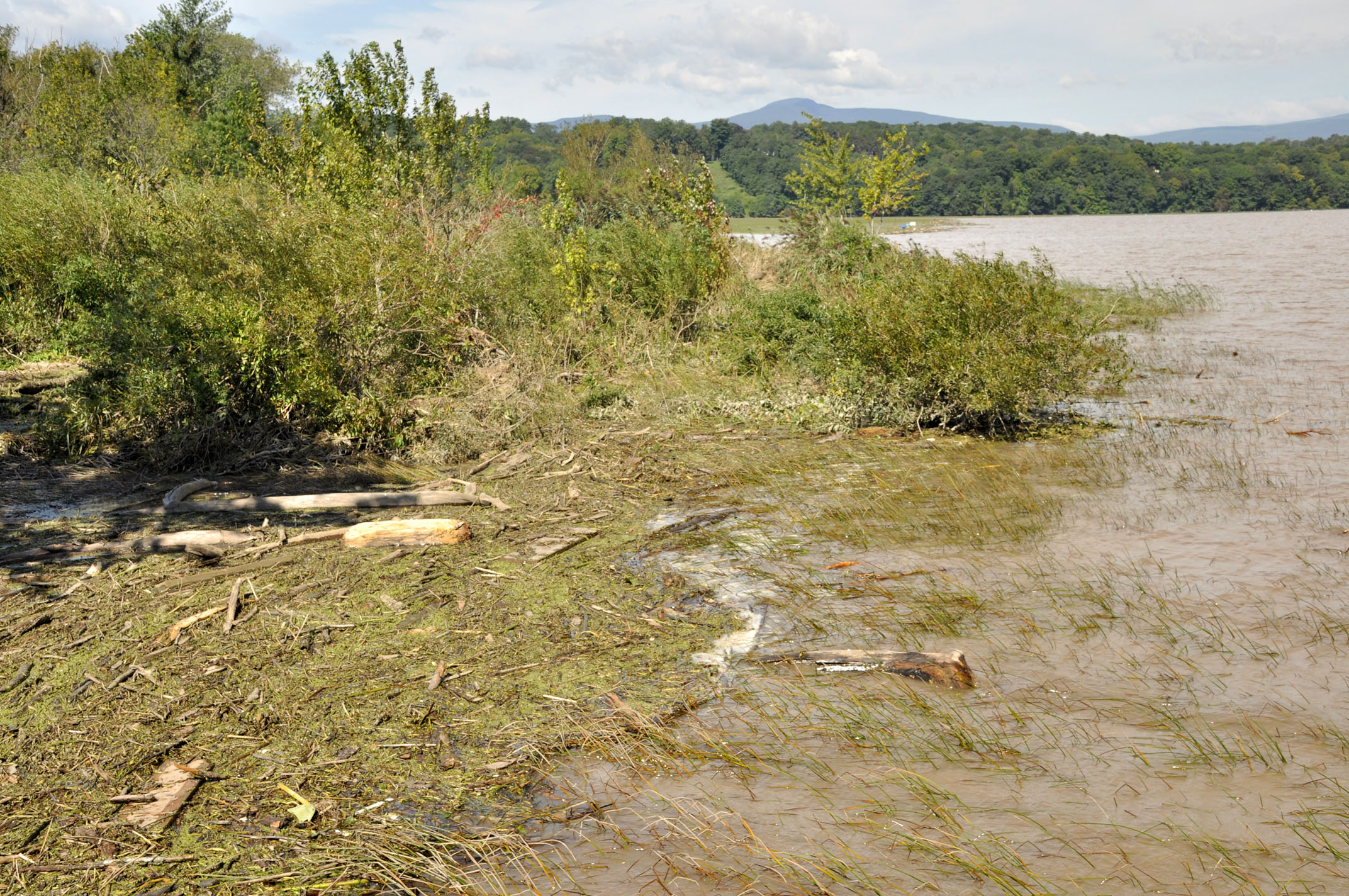
These pictures were taken from the Walkway over the Hudson, the newest of New York’s State Parks. At 1.28 miles long, it offers a hefty walk as well as memorable views of the Hudson. Right now it also offers views of the results of Hurricane Irene: Here you see the damage and the garbage piled up on the shore near the village of Highland, and the other photo shows the “Lordly Hudson,” now brown and with lots of this green debris floating in it.

If you wish to help but can neither grab your tools or trash bags and offer physical help nor live close enough to donate household items and food at one of the many collection stations, here is a website with suggestions for sending monetary donations.  For the Western Catskills, here is another site with updates on the situation and places to donate.

Stopped at a traffic light on my way out of Saugerties yesterday I was glad to note that the Saugerties Reformed Church was holding a worship service today for the victims of 9/11 and of Hurricane Irene. While no one will ever forget the pain and suffering inflicted literally out of the clear blue sky on that infamous day ten years ago, please let’s remember that our neighbors in rural New York who struggle to earn a living by serving people through their farms and their shops and motels also need our prayers and concern and our help.

Cold Spring Antiques & Crafts Show a Favorite Tradition

It would be difficult to imagine a better venue than Mayor’s Park in Cold Spring for an antiques and crafts show to be held in the middle of the summer. The park is situated virtually on the banks of the Hudson, thus affording superb views of the Highlands (including Storm King) on the opposite side of the Hudson and—best of all on such a typically hot summer day—cooling breezes from the river.

Some sixty vendors from all over the Tristate area were selling everything from jewelry, furniture, and soaps to pottery, clothing, and porcelain. One of my favorites was the booth that sold vintage soda caps (now who on earth would have thought to save such things—and in the days before recycling, no less?)—and of course, I had to go and touch base with the two photographers that were exhibiting their beautiful art, John A. Anderson and Robert Goldwitz.

This was my first visit to Cold Spring’s antiques and crafts show and I wasn’t disappointed. The variety of goods for sale was amazing. Given my current interest in turning some of my photographs into what I call “faux vintage” images, I couldn’t resist purchasing some vintage postcards.

Having once tended to oppose this show—it was the brainchild of David Cooke, who still organizes it—local merchants are now in favor because the crowds tend to spill over into the town’s shopping district and patronize the shops and restaurants on Cold Spring’s bustling Main Street. I ended up, as usual, at Foundry Dock Park, where I was able to cool my feet in the Hudson River (the shore is quite rocky there; fortunately I had waterproof shoes).

What’s next for Cold Spring? On October 1, the Cold Spring Street Fair will make its debut. Watch the Cold Spring websites for further developments! 

Happy Birthday, George Washington!

He’s 279 years old this week–George Washington, our first President. Actually, living in the Hudson Valley within easy distance of so many Revolutionary War sites, I think of him more readily as General Washington, the Revolutionary War hero.

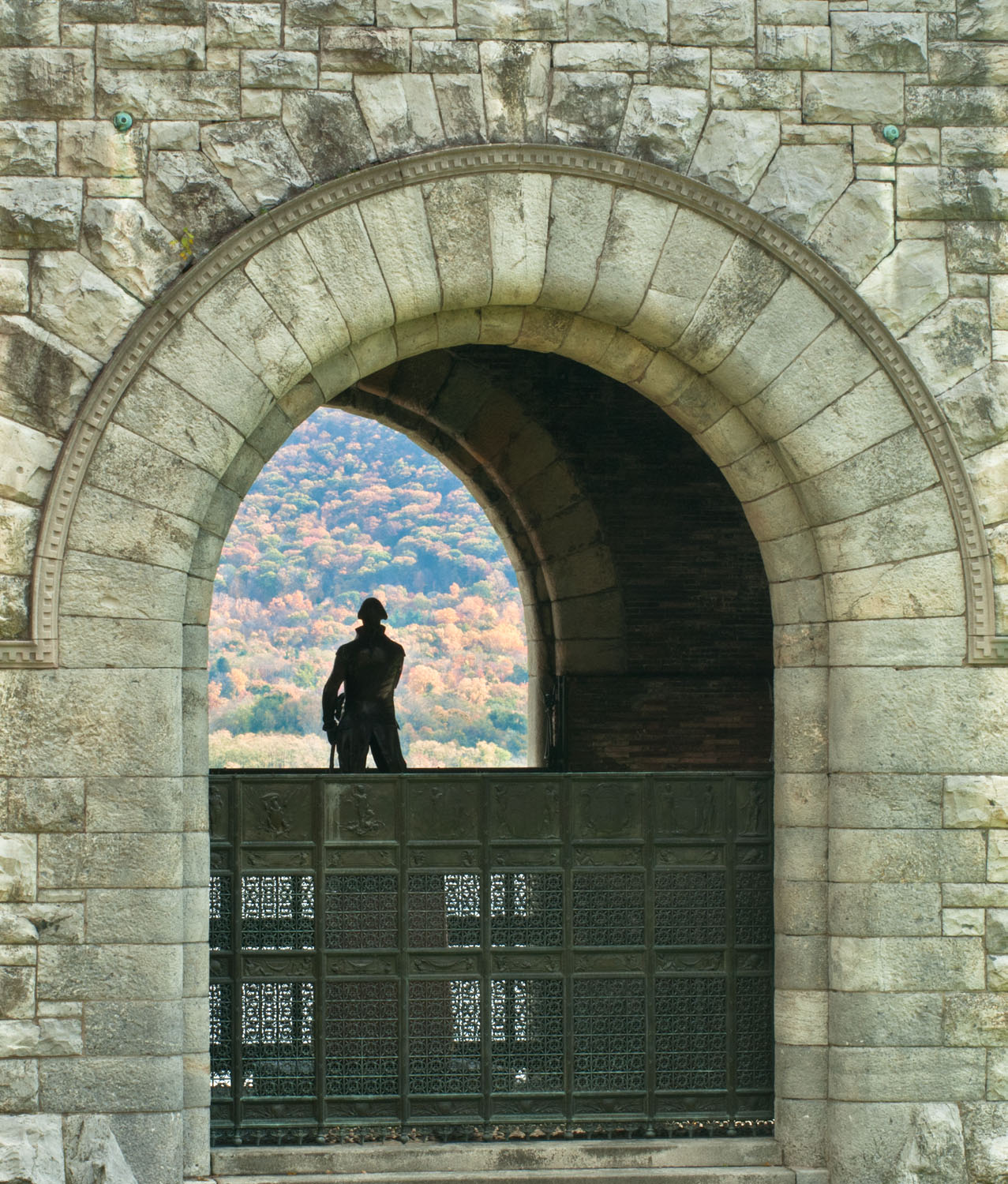
Our Hudson Valley historic sites have been celebrating Washington’s birthday this week with appropriate festivities– notably, Washington’s Headquarters State Historic Site in Newburgh and the New Windsor Cantonment. The Newburgh site contains Hasbrouck House, which served as the General’s headquarters from spring 1782 to summer 1783 and now houses a museum. Also on the grounds is the so-called Tower of Victory, built in the late 19th century to honor the centenary of Washington’s stay here. Inside this impressive stone structure is a statue of General Washington looking across the Hudson River at the Beacon Hills on the other side.

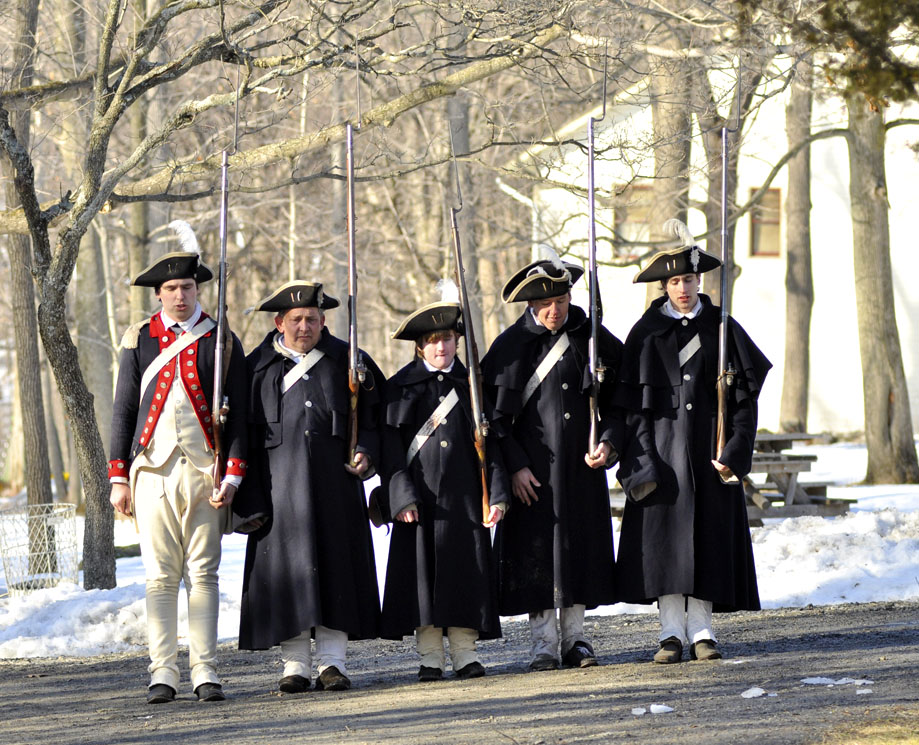
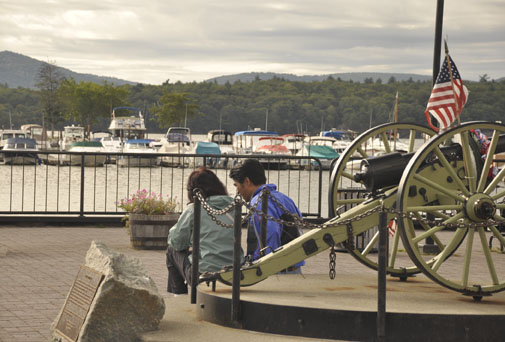
Another Revolutionary historic site that I return to again and again for its marvelous photo opportunities is the New Windsor Cantonment, where 7,000 troops of the Continental Army were encamped. This site also houses the Purple Heart Hall of Honor, where one can see marvelous exhibits about our country’s heroes. It’s a great place for parents to take their children; not only is there much to learn in the Hall of Honor, but on special occasion reenactors put on live exhibits of life in the days of the Revolution.  This weekend such demonstrations took place in honor of Washington’s birthday, and so I swung by briefly to get some photos of the soldiers who were about to fire their muskets and the cannon.

Living in the Hudson Valley one is always grateful for the area’s natural beauty and for the culture available here, but remember, as well, these historic sites that keep alive the memories of the people and events of our nation’s history.

Iran Hostage Heroes Celebrate 30th Anniversary

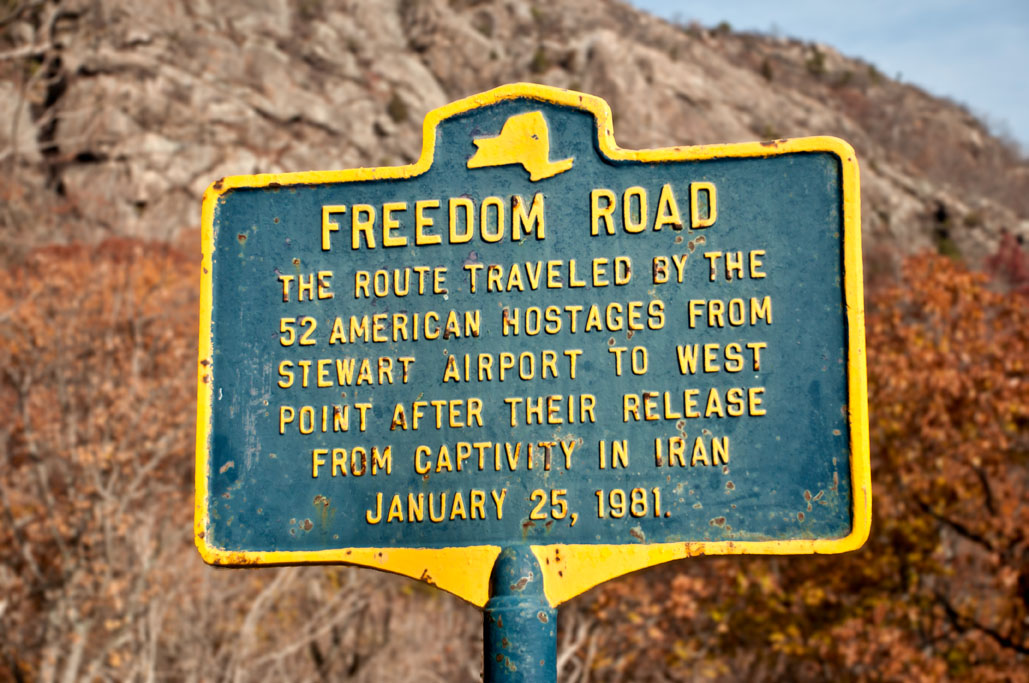
It was on January 25, 1981 that the fifty-two American hostages who had been held captive in Iran for 444 days traveled from Stewart Airport (as it was then called) in Newburgh to West Point after their release. A heroes’ welcome awaited them then, as they passed home after home festooned with “Welcome home” signs and the traditional yellow ribbons. Recently several of those veterans of the Iran hostage crisis returned to West Point for a reunion and to be greeted by a whole new generation of West Point cadets.

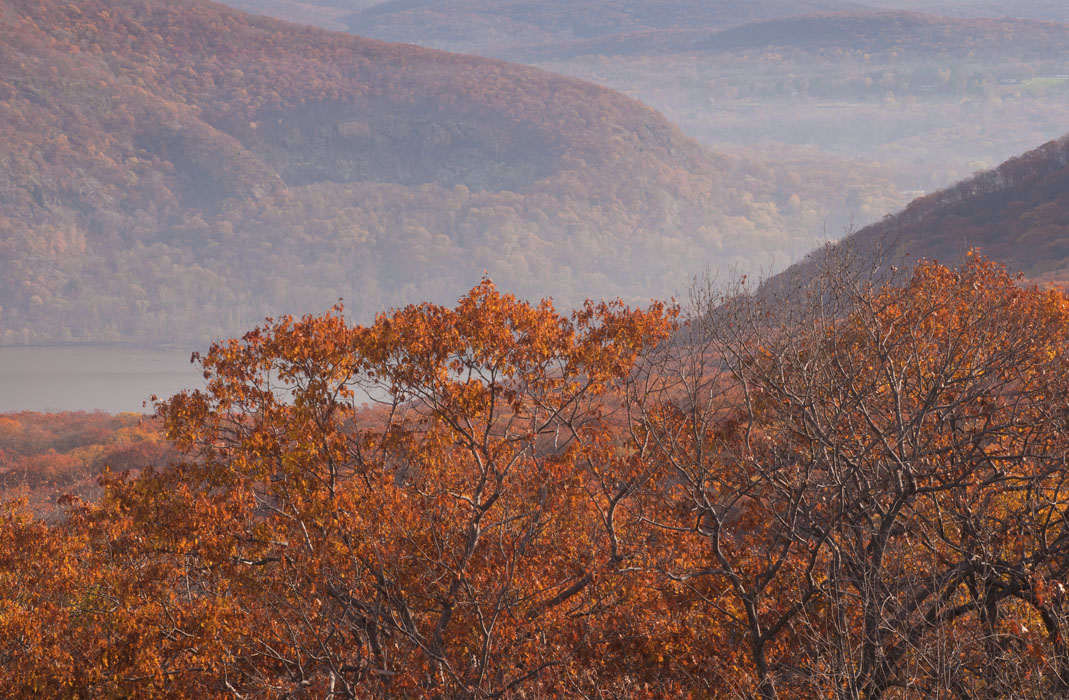
During this past autumn I drove along Route 9W over Storm King Mountain toward Cornwall, having no idea of the great historical significance of this stretch of road; I was on my way to Cornwall to find a spot from which to photograph the Hudson River and happened to pull into a parking area that appeared to have some promising photo opportunities. My hunch was correct, and after making several images of the astounding Hudson Highlands in their autumn finery I walked over to where I had seen two hikers begin what seemed to be a descent toward the river bank.

It was then that I saw the sign proclaiming this to be the Freedom Road. Now, I’m always on the lookout for subjects of historical interest in the Hudson Valley, but this was a surprise and a revelation for me. (I was living abroad at the time of the hostages’ release and thus unaware of the details of their return route.)  What a great tribute and memorial to heroism and courage! And let’s face it, one can’t help but feel a twinge of pride to think that one of the first sights to greet the hostages upon their arrival back in the USA was one of the most stunning views in our beautiful Hudson Valley.

Boscobel Has Something for Everyone

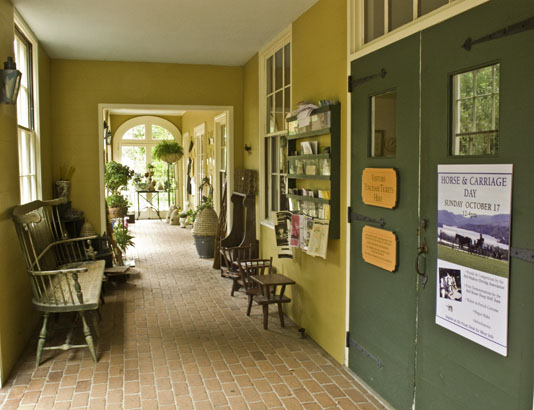
If you can’t decide whether to visit a mansion, enjoy flower and herb gardens, or hike in the woods, then plan a visit to Boscobel House and Gardens.  This lovely site on the east side of the Hudson (the mansion dates from the 1800s) has something for everyone: collections of art and furniture, extensive gardens, and a Woodland Trail for those who enjoy a nice hike under the forest canopy.

For the third year in a row, Boscobel has offered a special art exhibit. This year’s exhibit is devoted to the prints of Currier and Ives, and of course, the ones chosen concentrate on depictions of the Hudson Valley. This exhibit closes after Columbus Day weekend, though Boscobel is open year round except from January to March. You can check their website for all the details.

The day I visited began cloudy, gradually brightened up, and by the time the hot midday sun arrived I was well ensconced among the trees on the Nature Trail.  The trail has a few well-placed benches and even a gazebo; a trail map available in the Visitor Center as well as at the entrance to the trail points out the views, so you’ll want to have the map if you particularly enjoy scenic vistas. Other than birds, squirrels, and chipmunks I didn’t see any animals, although a sign points out a particular tree where a forest ranger once saw a bear; the bear’s scratch marks are still visible.  The bear was removed and relocated to a more appropriate setting in the Adirondacks.

Boscobel’s location above the banks of the Hudson offers stunning views across the river; it’s opposite West Point and can be reached along Route 9D. If you’re coming from the other side of the river, the Bear Mountain Bridge is convenient and connects you with Route 9D.  Weather permitting, you can take a picnic lunch; otherwise, Cold Spring, a few minutes’ drive to the north, has a great variety of cafes and restaurants.

Getting to Know Cold Spring


Yesterday I drove over the Bear Mountain Bridge on a quest to discover something about the treasures that Putnam County has to offer–all in aid of getting some material for our book on the historic Hudson Valley and for my project on Hudson Valley architecture. First stop: the lovely village of Cold Spring, which turned out to have so much to offer that it ended up being the only stop for the day. Here I’ll share a few of my photos of Cold Spring that I got on my first visit.

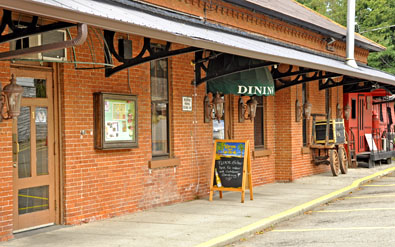
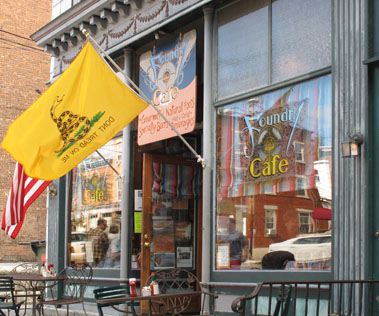
Cold Spring is just north of Garrison. Drive up Route 9D and turn left when the signpost points to the right for Route 301. You’ll find yourself driving down Main Street, and what an amazing Main Street it is. Even if you’re not into antiques and the other goodies that the shops have to offer, the buildings themselves are a feast for the eyes, and you’re not likely to resist visiting one of the many cafes to try their special baked goods and coffee.  I enjoyed a raspberry scone and a pumpkin-flavored coffee at the Cup-o-ccino Cafe.

A public Parking Lot is well signposted, but on weekends and holidays you can also park for free at Cold Spring’s railroad station. One advantage to this is that you’re right across the road from one of Cold Spring’s main historic attractions, the Chapel of Our Lady, which was originally build in 1833 as a place of worship for the West Point Foundry workers, many of whom were Irish. Perched high above the river, the front porch of the chapel has stunning views of the Hudson River Gorge, including the awesome Storm King Mountain to the north and the West Point Military Academy to the south.

Kayaking and culture–the adventurous can rent (or bring their own) kayaks for a trip on the Hudson, and for those who enjoy theater and music, Cold Spring has plenty to offer. Nearby Boscobel features a renowned Shakespeare Festival each year as well. On Saturdays Cold Spring hosts a farm market on the grounds of the Butterfield Hospital, where you can buy fresh produce, home-baked fresh bread, local cheese and wines, and flowers.

And for those who, like me, drive over the Bear Mountain Bridge to get to Cold Spring, there is the bonus of knowing that you have driven on the Appalachian Trail! This famous long-distance hiking trail, which stretches from Georgia to Mt. Katahdin in Maine, actually goes over the beautiful Bear Mountain Bridge.